The Writing Tips I Learned From a Newspaper Deadline

The first thing I noticed about the building was how ordinary it looked. It sat on a quiet street between a closed pharmacy and a diner that always smelled like burned coffee. If you walked past it without looking closely, you might not realize that a newspaper was produced inside. The sign above the door had faded letters and one of the lights over the entrance flickered in the wind. Nothing about the place suggested urgency.
Inside, though, everything moved fast.
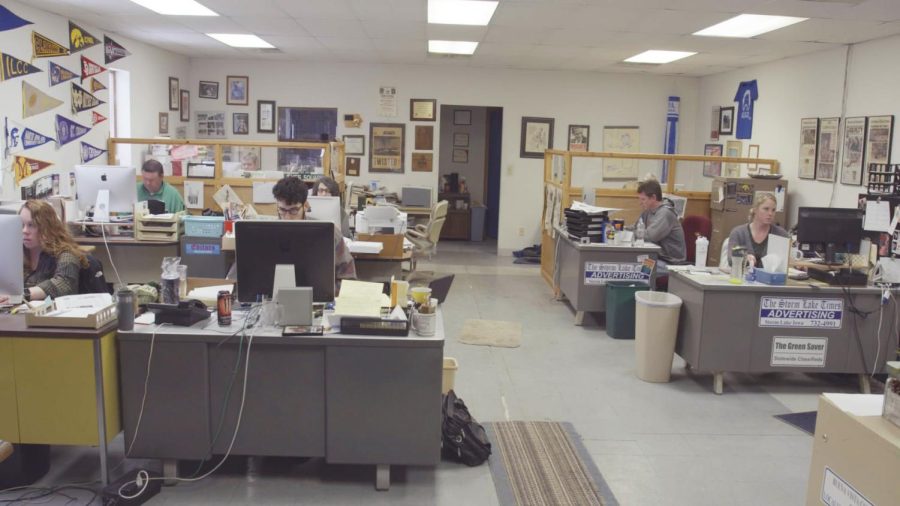
Phones rang constantly. Keyboards clicked in uneven bursts. Someone was always walking quickly from one desk to another with a stack of papers or a notebook full of scribbled quotes. The room carried the faint smell of ink and old coffee. I remember standing near the doorway on my first morning, holding a notebook I had bought the night before, trying to look like someone who belonged there.
At that point I already believed I knew how to write. I had spent years filling notebooks with short stories and essays. Teachers had praised my work in school. Friends sometimes asked me to help edit things they were writing. Because of that, I walked into that newsroom with quiet confidence. I assumed the job would mostly involve gathering a few details, writing a thoughtful article, and turning it in.
I did not realize I was about to learn some of the most important writing tips of my life.
The editor greeted me without looking up from his computer. He was an older man with gray hair that seemed permanently messy, as if he had run his hands through it too many times while reading frustrating drafts. His desk was covered in printed pages marked with thick pencil lines and circles. Some sentences had been crossed out entirely.
"You're the new intern," he said.
I nodded.
He slid a small notepad across the desk toward me.
"City council meeting tonight," he said. "Starts at six. Write about the budget vote."
That was the entire instruction.
I waited a moment, thinking he might explain more about the assignment. Instead he turned back to his screen and began typing again. The conversation was clearly finished.
I spent the afternoon preparing the way I usually prepared when writing something important. I read background articles. I looked through previous reports about the council. I wrote several pages of notes outlining possible angles for the story. By the time I walked into the council chamber that evening, I felt organized and ready.
The meeting lasted nearly two hours. Council members argued about road repairs, school funding, and a proposal to raise property taxes slightly. I filled several pages of my notebook with quotes and details. When the meeting finally ended, I drove home feeling satisfied. I had gathered a lot of material.
The problem began when I sat down to write.
I wanted the article to sound polished. I spent a long time crafting the opening paragraph, trying to make it feel thoughtful and complete. Each sentence grew longer as I added details and explanations. Then I moved to the second paragraph and began doing the same thing again.
An hour passed.
Then another.
By the time I finished the article it felt carefully built, like something that had been slowly assembled piece by piece. I printed it the next morning and walked into the newsroom feeling proud.
The editor read the first paragraph silently while I stood next to his desk.
His pencil moved almost immediately.
A thick line crossed out an entire sentence.
Then another.
He kept reading, occasionally circling words or drawing arrows that connected sentences in strange directions. The marks spread across the page faster than I expected. Within a minute the article no longer looked like something I had written. It looked like a battlefield of edits.
Finally he looked up.
"This took you how long?" he asked.
I hesitated.
"Most of the evening," I admitted.
He leaned back slightly and tapped the pencil against the paper.
"Too long," he said.
Then he slid the article back toward me.
"Start over."
At that moment I realized something important about the newsroom. Out in the world, writers often have the luxury of time. They can think about sentences, rearrange paragraphs, and polish things slowly. Inside that office, time worked differently. Every story had to be finished before the next deadline arrived.
I sat down at an empty desk and stared at the marked-up pages for several minutes. My first reaction was embarrassment. I had walked into the newsroom convinced I already understood how writing worked. Now my first assignment looked like it had been completely dismantled.
What I did not understand yet was that those pencil marks contained lessons I would spend months learning.
I sat down at the desk he pointed to and spread the pages out in front of me. The pencil marks looked worse the longer I stared at them. Entire paragraphs had been crossed out. Words I thought sounded thoughtful were circled with question marks. In the margin beside one sentence he had written a single word in block letters: "Why?"
For a moment I wondered if the job had been a mistake. I had come into that newsroom thinking I already understood writing. The more I looked at the page, the more it felt like I had walked into a test I had not studied for.
Still, the editor had said to start over, so that is what I did.
I opened a blank document and tried again. This time I moved faster. I began with the most obvious fact from the meeting instead of building a long introduction. The council had voted on a budget proposal that would change road repair funding for the year. That was the real news, and I wrote it in the first sentence instead of saving it for later.
When I finished the new draft it was much shorter. I walked the printed pages back to the editor's desk and tried not to watch his face while he read.
He crossed out fewer lines this time, though the pencil still moved plenty. When he finished he tapped the paper once and slid it toward me.
"Better," he said.
That single word felt strangely encouraging.
Then he pointed to the first paragraph.
"You buried the story here in the first version," he said. "Readers don't wait for the important part. They stop reading."
I nodded, though I was still trying to process the speed of everything happening in that room. Phones kept ringing while we talked. Someone behind me was arguing quietly with a photographer about a missing caption. Across the room another reporter was typing so fast the keyboard sounded like rain hitting metal.
The editor leaned back slightly and folded his arms.
"You'll figure it out," he said. "Deadlines teach faster than lectures."
At the time I did not fully understand what he meant, but over the next few weeks that sentence turned out to be true. Each assignment forced me to adjust the way I wrote. The long introductions I liked had to disappear. Sentences had to move faster. Paragraphs had to carry information instead of decoration.
Without realizing it, I was beginning to collect the first real writing tips that actually worked in the world outside my notebook.
The second assignment arrived two days later.
A small fire had broken out behind a restaurant downtown. No one was hurt, but the fire department had blocked the street while they investigated the cause. The editor handed me a notebook and pointed toward the door before I could even ask questions.
"Go see what's there," he said. "Bring back something we can publish."
That was the whole instruction again.
When I arrived, firefighters were rolling up hoses while the smell of smoke still hung in the air. A few people stood on the sidewalk watching the cleanup. I spoke with the fire chief, wrote down a few quick quotes, and took notes about the damage to the building's back wall.
This time I did not wait until the evening to write the article.
I drove straight back to the newsroom, sat down at the same desk, and began typing while the details were still fresh in my head. I tried to keep the sentences short. I focused on what had actually happened instead of trying to make the writing sound impressive.
When I finished, I handed the draft to the editor.
He read it quietly again, though this time the pencil moved less. He crossed out a few phrases and rearranged two paragraphs, then looked up.
"You're getting closer," he said.
I noticed something interesting when he slid the pages back across the desk. The edits he made were not random. He kept removing the same kinds of things. Extra explanations. Long introductions. Words that slowed down the sentence before it reached the point.
Without giving a speech or writing a guidebook, the editor was quietly showing me small lessons about writing every time that pencil touched the page.
At first the corrections felt embarrassing. I would stand beside the desk while he marked up the draft, feeling as if each crossed-out line proved I was not as skilled as I had believed. But after a few assignments I started watching more carefully.
Instead of focusing on what he removed, I began noticing what remained.
The sentences he left untouched were always the ones that moved quickly and said exactly what happened. They were clear and direct. They did not wander around looking for the point.
One afternoon I saw him rewrite an entire paragraph in less than thirty seconds. He barely paused while typing. When he finished, the paragraph was half the length of the original version but somehow carried more information.
That moment stuck with me.
For the first time since walking into that newsroom, I realized something simple but uncomfortable. The problem with my writing was not a lack of effort. I had been putting plenty of effort into every article. The problem was that I was spending energy on the wrong things.
The newsroom did not reward complicated sentences or careful decoration. It rewarded clarity and speed.
And the only way to survive there was to learn both.
By the end of the second week I had stopped pretending that I understood how the newsroom worked. The pace alone forced that lesson on me. Stories arrived without warning. One minute I would be reading notes from a previous assignment, and the next the editor would point across the room and say something like, “School board meeting tonight,” or “Go talk to the hardware store owner about that break-in.” Then he would turn back to his screen as if the conversation were finished.
Each assignment came with the same invisible clock attached to it. The article had to be finished before the next edition moved forward. There was no long evening to polish sentences or adjust paragraphs slowly. I began to understand why the other reporters typed so quickly. The rhythm of the room demanded it.
One afternoon I watched the editor work through three different stories in less than fifteen minutes. Reporters walked up to his desk one after another and dropped printed drafts beside his keyboard. He read each one with the same sharp focus, pencil already in hand.
The strange thing was how calm he looked while doing it.
The newsroom itself rarely felt calm. Phones rang constantly. Someone always seemed to be rushing toward the door with a camera bag or a notebook. Yet the editor read every line with a steady expression, marking the page quickly and moving to the next story without hesitation.
I started standing nearby when he edited my drafts instead of walking away.
At first that felt uncomfortable. Watching someone dismantle your writing in real time is not an easy experience. But the more I watched the pencil move across the paper, the more I began noticing patterns in what he changed.
He removed sentences that delayed the real information.
He cut phrases that sounded decorative but did not actually add meaning.
He moved important facts closer to the top of the story so readers would see them immediately.
Without ever giving a formal lecture, he was quietly showing me the most practical writing tips I had ever encountered.
One particular afternoon stands out in my memory. I had just finished writing a short article about a charity fundraiser at the town library. The event itself was simple enough. Volunteers had organized a used book sale to raise money for children's reading programs. I had spoken with two organizers and taken a few notes about the turnout.
The story seemed straightforward, and I felt reasonably confident when I handed the draft to the editor.
He read the first paragraph.
Then he crossed out nearly half of it.
I leaned closer to see what he had removed. The lines he deleted were the ones I had spent the most time shaping. They described the atmosphere inside the library and the long tradition of community fundraising events in the town.
What remained was a single sentence.
"Residents filled the town library Saturday morning for a used book sale raising money for children's reading programs."
That was it.
The editor looked up and noticed my expression.
"People read fast," he said. "Help them get the point."
He turned the page toward me and tapped the sentence with his pencil.
"Everything important is already here," he added. "The rest can follow."
I returned to my desk and rewrote the article again, this time keeping the opening sentence exactly the way he had shaped it. The rest of the story flowed more easily than I expected. Without the long introduction slowing things down, the article felt clearer almost immediately.
Later that evening, while reviewing notes from previous assignments, I started thinking about all the small corrections the editor had made over the past two weeks. Individually they seemed minor. A line removed here. A sentence shortened there. But together they formed a pattern.
They were quiet editing lessons hidden inside the editing process itself.
That realization changed something for me.
Instead of treating each correction as criticism, I began treating the editor's pencil marks as clues. If he crossed out a sentence, I asked myself why. If he moved a paragraph higher in the story, I tried to understand what made that placement stronger.
One evening, after finishing a late assignment about a zoning discussion at city hall, I stayed in the newsroom longer than usual. The building had grown quieter by then. Only two other reporters remained, typing steadily while the printing schedule for the next morning moved forward.
I sat at my desk reviewing earlier drafts, comparing my original versions with the edited ones the newspaper had actually printed.
At some point during that quiet hour I found myself searching online for more examples of the kind of direct writing the editor kept encouraging. That was when I came across a page of writing tips that explained many of the same ideas I had been watching unfold inside the newsroom.
The advice echoed what the editor had been doing with his pencil all along. Important facts first. Clear sentences. No wasted space between the reader and the story.
I kept that page open on my screen while I worked through the next assignment.
And for the first time since stepping into that newsroom, I began writing with a different kind of focus.
The goal was no longer to make the sentences sound impressive.
The goal was to make them impossible to misunderstand.
That shift might sound small, but it changed everything about the way I approached the next story.
Something changed after that night in the newsroom. I did not suddenly become a better writer overnight, but I stopped fighting the pace of the place. Instead of trying to protect every sentence I wrote, I started treating each draft as something temporary. The real goal was to get the story down quickly and clearly before the next deadline appeared.
The next assignment arrived early the following morning.
A delivery truck had clipped a traffic light at an intersection near the edge of town, leaving the signal hanging sideways above the road. No one was hurt, but the police had closed the lane while a repair crew arrived. The editor handed me the address and looked at the clock above the door.
“Short story,” he said. “We need it in twenty minutes.”
Twenty minutes.
In the past I might have spent ten of those minutes trying to think of the perfect opening sentence. That morning I did something different. I drove to the intersection, spoke quickly with the officer directing traffic, wrote down a few details about the damaged pole, and returned to the newsroom without overthinking the structure.
The first sentence went straight to the point. A delivery truck had struck a traffic signal just before morning traffic began, forcing police to redirect drivers while repairs were arranged. After that I added the quotes and the timeline in simple paragraphs.
When I printed the draft and handed it to the editor, he read the first line and gave a small nod before continuing down the page.
The pencil still moved, but only in short strokes.
When he finished, he slid the paper back toward me.
“That’s closer,” he said.
I returned to my desk and looked at the marks he had made. A few phrases were shorter now. One paragraph had been moved higher. The edits were still there, but the story itself remained mostly intact.
The difference was not that I had suddenly become more talented. The difference was that I had stopped trying to sound like a writer and started trying to sound clear.
That idea stayed with me through the rest of the week.
Assignments kept arriving. A school sports game. A small protest outside the courthouse. A ribbon cutting for a new grocery store on the south side of town. Each one forced me to move a little faster than the last. There was no time to polish the language for hours. The article had to exist quickly or it would miss the printing schedule entirely.
Somewhere during those assignments I began recognizing more of the quiet writing tips hidden in the editor’s approach. He never asked reporters to make sentences clever. He asked them to make sentences useful.
Useful meant the reader could understand the story immediately.
Useful meant the important information appeared early enough that no one had to hunt for it.
Useful meant the sentence moved forward instead of wandering around the idea before finally reaching the point.
The more I watched the editor work, the more obvious it became that simplicity was not a shortcut. It was a discipline.
One afternoon he called me over to his desk while reviewing a story I had written about a local high school robotics competition. I had included a long paragraph describing the excitement inside the gymnasium before mentioning which team had actually won the event.
He circled the second paragraph with his pencil.
“This belongs first,” he said.
I looked down at the page. The circled paragraph contained the name of the winning team and the result of the final round.
“That’s the story,” he continued. “Everything else supports it.”
He pushed the paper back across the desk and returned to editing the next article.
I walked back to my desk thinking about that sentence for a long time. Everything else supports it. That simple rule explained nearly every correction he had made to my writing over the past few weeks.
Without realizing it, the newsroom had been teaching me a new way to approach sentences. Instead of building slowly toward the main idea, I had to start with it and let the rest of the story follow behind.
Those small adjustments began shaping the way I wrote every assignment. Paragraphs grew shorter. The opening lines became clearer. Even the way I gathered information started to change, because I knew the final article would need to move quickly from fact to fact without getting lost along the way.
By the time the fourth week arrived, the pace of the newsroom no longer felt chaotic. It felt like a rhythm I had finally begun to understand.
And with that rhythm came a growing sense that the editor’s constant corrections were not obstacles at all. They were writing tips delivered in the only language a newsroom really understands: the pressure of the next deadline.
The real test came on a rainy Thursday afternoon near the end of my second month in the newsroom. The weather had turned gray and steady, the kind of slow rain that made the windows look slightly fogged from the inside. Most of the reporters were working quietly at their desks when the editor called my name from across the room.
“There’s a meeting at the community center,” he said. “Neighborhood group talking about the park renovation.”
He slid a notepad toward me.
“See what they decide.”
That was the assignment.
By that point I had learned not to overprepare. I grabbed my jacket, drove across town, and arrived just as residents were gathering in a small meeting room near the gymnasium. Folding chairs scraped softly across the floor as people settled into place. Someone had placed a tray of coffee cups on a table in the corner, and the smell drifted through the room while the meeting began.
The discussion lasted about an hour. Neighbors debated playground repairs, walking paths, and a proposal to add new lights along the edge of the park. I wrote quickly in my notebook, focusing on the details that would matter most to readers. Who made the decision. What the plan would change. When the work might begin.
When the meeting ended, I drove back to the newsroom with rain tapping lightly against the windshield. The old habit of overthinking every sentence tried to creep back in while I sat at my desk. For a moment I caught myself staring at the blank screen, wondering how to make the story sound polished.
Then I remembered the editor’s pencil.
I started typing the simplest version of the truth first.
Residents approved a renovation plan for the neighborhood park during a meeting Thursday evening, agreeing to repair the playground equipment and install new lighting along the walking paths.
The rest of the article followed naturally from there. Quotes from two residents. A short explanation of the funding. A sentence about when the construction might begin. I did not try to decorate the language or slow the pace of the story. I simply moved from fact to fact until the draft felt complete.
When I printed the article and carried it to the editor’s desk, I felt the familiar tension return to my shoulders. Even after weeks in the newsroom, handing over a draft still felt like waiting for a verdict.
He read the first paragraph quietly.
The pencil did not move.
He read the second paragraph.
Still nothing.
By the time he reached the bottom of the page, the pencil had only made two small marks in the margin. One word was shortened. A quote had been moved slightly higher in the story.
That was all.
The editor looked up at me for a moment and gave a small nod.
“Good,” he said.
That single word meant more than any long compliment could have.
I walked back to my desk holding the page, almost surprised by how little had changed. For the first time since starting the job, the article felt mostly intact after the editing process.
The newsroom around me continued moving at its usual pace. Phones rang. Someone laughed briefly near the copy desk. A photographer hurried past the door carrying two cameras over his shoulder.
But for a moment I simply sat there looking at the page.
It finally made sense why the editor had been so relentless about simplicity. The story worked because the reader would not have to struggle through the sentences to understand what happened. The important information appeared immediately, and everything else supported it.
Without planning it, I had started applying the lessons from the newsroom that had once confused me when they appeared in pencil across my drafts.
And the result was a story that could survive the newsroom clock.
Later that evening I watched the article move through the final editing process before the next edition went to print. The page designer placed it neatly into a column beside another local report. The headline sat clearly above the opening sentence, and the paragraphs flowed down the page without interruption.
Seeing the finished version printed in the layout window felt different than the earlier assignments. This time the article looked almost exactly the way I had written it.
For the first time since walking into that building weeks earlier, I felt like I had finally caught the rhythm of the place.
Not perfectly.
But well enough to keep up.
And that small success revealed something important about all the writing tips I had absorbed during those weeks. They were not abstract ideas about style or creativity. They were practical habits designed for the real world, where readers move quickly and stories must earn their attention from the first sentence.
After that park meeting story appeared in the paper, the newsroom continued exactly the way it always had. Deadlines did not slow down just because I had managed to get one article mostly right. New assignments kept arriving. A restaurant opening. A late-night police report. A school fundraiser that filled the gym with folding tables and homemade desserts.
But something inside my approach to writing had shifted quietly.
I no longer treated the blank page as a place to show off complicated sentences. Instead I treated it like a space where the reader and the information needed to meet as quickly as possible. Every sentence had a job. Every paragraph had a direction. If something did not help the reader understand what happened, it usually did not belong in the story.
That lesson followed me through every assignment during the rest of that temporary job. I wrote about small town council votes, community events, and weather damage after a heavy storm knocked branches across several streets. Each article moved through the same simple process. Gather the facts. Start with the most important one. Build the story around it without getting lost along the way.
Sometimes I still caught myself drifting back toward the old habits. A long sentence would sneak into the draft. An opening paragraph would wander too far before reaching the point. When that happened I could almost imagine the editor’s pencil appearing beside the line, ready to cross it out.
Those invisible edits became part of the way I thought about writing.
The strange thing about that newsroom was how ordinary it looked from the outside. Anyone walking past the building would see a faded sign, a narrow door, and a quiet street. Nothing about the place suggested that it was quietly shaping the habits of the people working inside.
Yet inside that room the pressure of constant deadlines forced every writer to confront the same question again and again.
What actually matters in this story?
The editor never delivered long speeches about style or creativity. He did not hand reporters a guidebook explaining how to improve their work. Instead he relied on something much more direct. The story had to be finished before the next deadline arrived, and the reader had to understand it immediately.
That pressure stripped away unnecessary complexity faster than any classroom lesson ever could.
By the time my temporary position ended, the newsroom had become a strangely familiar place. I knew which desk drawers held extra notepads. I knew the sound of the printer when the next edition started assembling pages. I even recognized the small pause the editor made before marking a sentence that wandered too far from the point.
On my final afternoon there, the rain had returned to the same steady rhythm that seemed to visit the building often. I finished one last short article about a community food drive and placed the draft on the editor’s desk.
He read it quietly, made two small edits, and handed it back.
“Not bad,” he said.
That was the closest thing to praise I ever heard from him.
I gathered my notebook and jacket, said goodbye to the other reporters, and stepped outside into the damp evening air. The street looked calm again, the same way it had looked the first day I arrived. Cars moved slowly through the intersection. The diner next door still smelled faintly like burned coffee drifting through the open door.
For a moment I stood there looking back at the building.
When I first walked inside, I believed writing was mostly about careful language and thoughtful phrasing. I assumed the writer’s job was to shape sentences until they sounded impressive on the page.
The newsroom had taught me something different.
Writing, at least in the real world where readers are busy and stories compete for attention, often depends on clarity more than complexity. The best sentence is not the one that sounds the smartest. It is the one that helps the reader understand what happened without hesitation.
That idea still shapes the way I approach every draft.
Even now, long after leaving that small newsroom, I sometimes imagine the editor leaning over a page with that familiar pencil in his hand. I picture him scanning the paragraph quickly, looking for the moment where the story finally reaches the point.
And when I find myself drifting too far from that point, I start again the way he taught me to.
I move the important information closer to the top. I shorten the sentence that tries to do too much. I remove the words that slow the reader down before the story really begins.
Those habits grew out of the same pressure that once made my first assignment fall apart under the editor’s pencil. They were not theories or classroom exercises. They were practical writing tips shaped by the simple reality that the next deadline was always approaching.
The writing lessons I learned from those deadlines still shape every sentence I write.